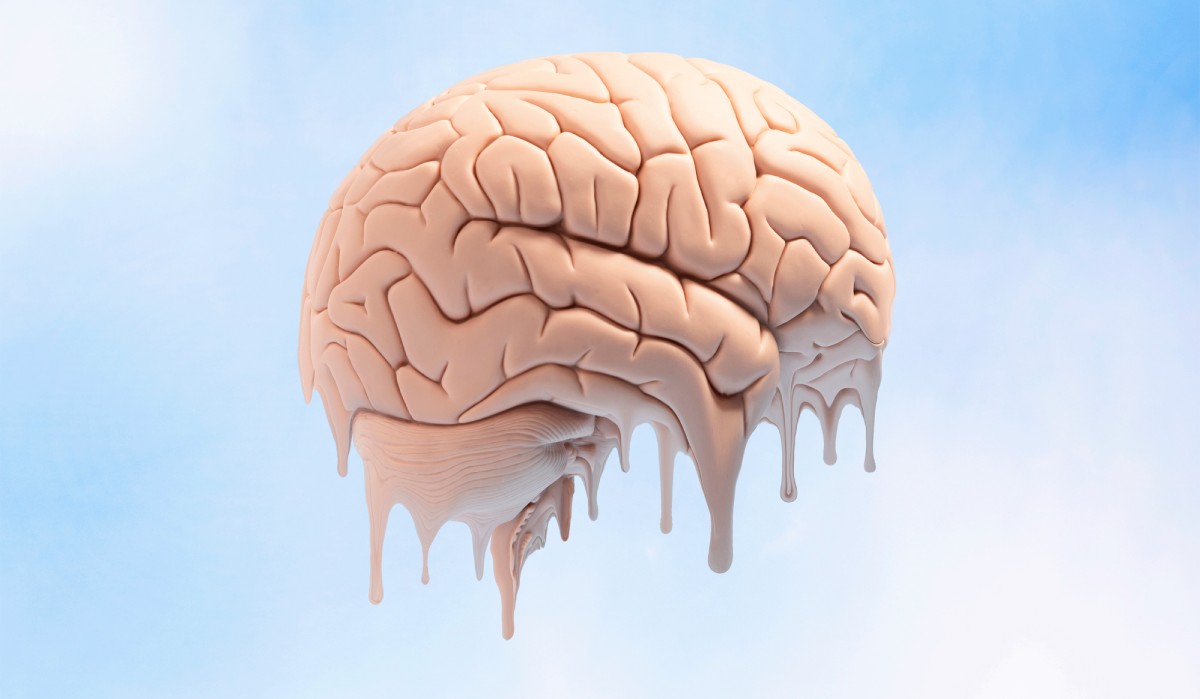
Climate change brings real stress — and your brain feels it.
Heat waves, extreme weather, and the constant stream of alarming headlines don't just affect our routines. They can also impact concentration, mood, and mental clarity. Many people report feeling tense, distracted, or overwhelmed — a kind of "climate stress" that makes it harder to stay focused and balanced.
But here's the encouraging part: your brain is adaptable.
Just like the body can be trained to handle physical strain, the mind can be trained to handle mental strain. One of the most important skills here is resilience — the ability to stay functional under pressure and recover faster after stress. Think of it like a tree in a storm: it bends, but it doesn't break.
Why resilience matters
When stress builds up, the brain can slip into "survival mode." That can make it harder to think clearly, remember things, or regulate emotions. Resilience helps you regain stability, stay present, and respond calmly even when life feels uncertain.
Try this: a quick reset for your brain
If you want an easy starting point, combine brief brain training with short mindfulness exercises. In the NeuroNation app, you'll find mini sessions (NeuroBoosters) designed for moments when you need to reset — like centering for a few minutes, or taking a short guided imagery break to mentally "step away" from the noise.
These quick exercises are useful when you feel:
- mentally tired
- unfocused
- tense or overstimulated
Longer-term brain training works gradually over time — while these short resets can help immediately, right when you need it.
Bottom line: You can't control the headlines — but you can train how your brain responds to them.
Der Klimawandel verursacht echten Stress – und Ihr Gehirn spürt ihn.
Hitzewellen, Extremwetter und der ständige Strom alarmierender Schlagzeilen beeinflussen nicht nur unseren Alltag. Sie können auch Konzentration, Stimmung und mentale Klarheit beeinträchtigen. Viele Menschen berichten, dass sie sich angespannt, abgelenkt oder überfordert fühlen – eine Art „Klima-Stress", der es schwerer macht, fokussiert und innerlich stabil zu bleiben.
Aber hier kommt die ermutigende Nachricht: Ihr Gehirn ist anpassungsfähig.
So wie man den Körper trainieren kann, um körperliche Belastung besser zu bewältigen, lässt sich auch der Geist trainieren, um mit mentalem Druck besser umzugehen. Eine der wichtigsten Fähigkeiten dabei ist Resilienz – die Fähigkeit, unter Belastung handlungsfähig zu bleiben und sich nach Stress schneller zu erholen. Stellen Sie es sich wie einen Baum im Sturm vor: Er biegt sich, aber er bricht nicht.
Warum Resilienz so wichtig ist
Wenn Stress sich aufstaut, kann das Gehirn in einen „Überlebensmodus" rutschen. Dann fällt es oft schwerer, klar zu denken, sich Dinge zu merken oder Emotionen zu regulieren. Resilienz hilft Ihnen, wieder Stabilität zu gewinnen, im Moment zu bleiben und ruhig zu reagieren – auch wenn sich das Leben unsicher anfühlt.
Probieren Sie das: ein kurzer Reset fürs Gehirn
Wenn Sie einen einfachen Einstieg suchen, kombinieren Sie kurzes Gehirntraining mit kleinen Achtsamkeitsübungen. In der NeuroNation App finden Sie Mini-Sessions (NeuroBooster), die für genau solche Momente entwickelt wurden – zum Beispiel, um sich ein paar Minuten zu zentrieren oder mit einer kurzen Fantasiereise mental „aus dem Lärm auszusteigen".
Diese kurzen Übungen helfen besonders, wenn Sie sich:
- mental müde fühlen
- unkonzentriert sind
- angespannt oder überreizt fühlen
Langfristiges Gehirntraining wirkt Schritt für Schritt über die Zeit – während diese kurzen Resets sofort unterstützen können, genau dann, wenn Sie es brauchen.
Fazit: Sie können die Schlagzeilen nicht kontrollieren – aber Sie können trainieren, wie Ihr Gehirn darauf reagiert.
Le changement climatique provoque un stress bien réel et votre cerveau le ressent.
Les vagues de chaleur, les phénomènes météorologiques extrêmes et le flot constant de titres alarmants ne perturbent pas seulement notre quotidien. Ils peuvent aussi affecter la concentration, l'humeur et la clarté mentale. Beaucoup de personnes disent se sentir tendues, distraites ou dépassées ; une forme de « stress climatique » qui rend plus difficile le fait de rester concentré et intérieurement stable.
Mais voici la bonne nouvelle : votre cerveau est adaptable.
Tout comme on peut entraîner le corps à mieux supporter les contraintes physiques, on peut aussi entraîner l'esprit à mieux gérer la pression mentale. L'une des compétences les plus importantes, c'est la résilience ; la capacité à rester fonctionnel sous stress et à récupérer plus vite après une période difficile. Imaginez un arbre dans la tempête : il plie, mais ne casse pas.
Pourquoi la résilience est si importante
Quand le stress s'accumule, le cerveau peut passer en « mode survie ». Il devient alors plus difficile de penser clairement, de se souvenir des choses ou de réguler ses émotions. La résilience vous aide à retrouver de la stabilité, à rester présent et à réagir calmement même lorsque la vie semble incertaine.
À essayer : une remise à zéro rapide pour le cerveau
Si vous cherchez un point de départ simple, combinez de courtes séances d'entraînement cérébral avec de petits exercices de pleine conscience. Dans l'app NeuroNation, vous trouverez des mini-sessions (NeuroBoosters) conçues pour ces moments précis, par exemple pour vous recentrer quelques minutes, ou pour faire une courte visualisation guidée afin de vous éloigner mentalement du bruit ambiant.
Ces exercices rapides sont particulièrement utiles si vous vous sentez :
- mentalement fatigué(e)
- déconcentré(e)
- tendu(e) ou surstimulé(e)
L'entraînement cérébral sur le long terme agit progressivement au fil du temps, tandis que ces "resets" courts peuvent vous soutenir immédiatement, exactement quand vous en avez besoin.
Conclusion : vous ne pouvez pas contrôler les gros titres mais vous pouvez entraîner la façon dont votre cerveau y réagit.
El cambio climático provoca un estrés real — y tu cerebro lo siente.
Las olas de calor, los fenómenos meteorológicos extremos y el flujo constante de titulares alarmantes no solo afectan nuestra rutina diaria. También pueden repercutir en la concentración, el estado de ánimo y la claridad mental. Muchas personas dicen sentirse tensas, distraídas o abrumadas — una especie de "estrés climático" que hace más difícil mantenerse enfocado y emocionalmente estable.
Pero aquí viene lo alentador: tu cerebro es adaptable.
Así como el cuerpo puede entrenarse para tolerar mejor el esfuerzo físico, la mente también puede entrenarse para manejar mejor la presión mental. Una de las habilidades más importantes aquí es la resiliencia: la capacidad de seguir funcionando bajo estrés y recuperarse más rápido después. Piénsalo como un árbol en una tormenta: se dobla, pero no se rompe.
Por qué la resiliencia es tan importante
Cuando el estrés se acumula, el cerebro puede pasar a "modo supervivencia". Entonces suele ser más difícil pensar con claridad, recordar cosas o regular las emociones. La resiliencia te ayuda a recuperar estabilidad, mantenerte presente y responder con calma, incluso cuando la vida se siente incierta.
Pruébalo: un reinicio rápido para tu cerebro
Si buscas un punto de partida sencillo, combina un entrenamiento cerebral breve con pequeños ejercicios de atención plena. En la app de NeuroNation encontrarás mini sesiones (NeuroBoosters) diseñadas para esos momentos en los que necesitas resetearte — por ejemplo, para centrarte durante unos minutos o hacer una breve visualización guiada y "alejarte" mentalmente del ruido.
Estos ejercicios rápidos son especialmente útiles cuando te sientes:
- mentalmente cansado/a
- sin concentración
- tenso/a o sobreestimulado/a
El entrenamiento cerebral a largo plazo funciona poco a poco con el tiempo — mientras que estos reinicios cortos pueden ayudarte de inmediato, justo cuando lo necesitas.
Conclusión: no puedes controlar los titulares, pero sí puedes entrenar cómo responde tu cerebro ante ellos.
Ready to Build Your Mental Resilience?
Join 25 million users who are taking control of their brain health
Download Free & Start Your Brain Assessment
Bereit, Ihre mentale Resilienz aufzubauen?
Schließen Sie sich 25 Millionen Nutzern an, die ihre Gehirngesundheit aktiv gestalten
Kostenlos herunterladen & Gehirn-Assessment starten
Prêt à développer votre résilience mentale ?
Rejoignez 25 millions d'utilisateurs qui prennent en main leur santé cérébrale
Télécharger gratuitement & Commencer votre bilan cérébral
¿Listo para desarrollar tu resiliencia mental?
Únete a 25 millones de usuarios que están tomando control de su salud cerebral
Descargar gratis & Comenzar tu evaluación cerebral
Scientific References
- European Commission. (n.d.). Causes of climate change – Climate Action. https://climate.ec.europa.eu/climate-change/causes-climate-change_en
- Ruszkiewicz, J. A., Tinkov, A. A., Skalny, A. V., Siokas, V., Dardiotis, E., Tsatsakis, A., Bowman, A. B., da Rocha, J. B. T., & Aschner, M. (2019). Brain diseases in changing climate. Environmental Research, 177, 108637. https://doi.org/10.1016/j.envres.2019.108637
- Joyce, S., Shand, F., Tighe, J., Laurent, S. J., Bryant, R. A., & Harvey, S. B. (2018). Road to resilience: A systematic review and meta-analysis of resilience training programmes and interventions. BMJ Open, 8(6), e017858. https://doi.org/10.1136/bmjopen-2017-017858
- Kunzler, A. M., Helmreich, I., König, J., Chmitorz, A., Wessa, M., Binder, H., & Lieb, K. (2020). Psychological interventions to foster resilience in healthcare students. Cochrane Database of Systematic Reviews, 2020(7), CD013684. https://doi.org/10.1002/14651858.CD013684
Wissenschaftliche Referenzen
- Europäische Kommission. (o. J.). Ursachen des Klimawandels – Klimapolitik. https://climate.ec.europa.eu/climate-change/causes-climate-change_en
- Ruszkiewicz, J. A., Tinkov, A. A., Skalny, A. V., Siokas, V., Dardiotis, E., Tsatsakis, A., Bowman, A. B., da Rocha, J. B. T., & Aschner, M. (2019). Brain diseases in changing climate. Environmental Research, 177, 108637. https://doi.org/10.1016/j.envres.2019.108637
- Joyce, S., Shand, F., Tighe, J., Laurent, S. J., Bryant, R. A., & Harvey, S. B. (2018). Road to resilience: A systematic review and meta-analysis of resilience training programmes and interventions. BMJ Open, 8(6), e017858. https://doi.org/10.1136/bmjopen-2017-017858
- Kunzler, A. M., Helmreich, I., König, J., Chmitorz, A., Wessa, M., Binder, H., & Lieb, K. (2020). Psychological interventions to foster resilience in healthcare students. Cochrane Database of Systematic Reviews, 2020(7), CD013684. https://doi.org/10.1002/14651858.CD013684
Références Scientifiques
- Commission européenne. (s. d.). Causes du changement climatique – Action pour le climat. https://climate.ec.europa.eu/climate-change/causes-climate-change_en
- Ruszkiewicz, J. A., Tinkov, A. A., Skalny, A. V., Siokas, V., Dardiotis, E., Tsatsakis, A., Bowman, A. B., da Rocha, J. B. T., & Aschner, M. (2019). Brain diseases in changing climate. Environmental Research, 177, 108637. https://doi.org/10.1016/j.envres.2019.108637
- Joyce, S., Shand, F., Tighe, J., Laurent, S. J., Bryant, R. A., & Harvey, S. B. (2018). Road to resilience: A systematic review and meta-analysis of resilience training programmes and interventions. BMJ Open, 8(6), e017858. https://doi.org/10.1136/bmjopen-2017-017858
- Kunzler, A. M., Helmreich, I., König, J., Chmitorz, A., Wessa, M., Binder, H., & Lieb, K. (2020). Psychological interventions to foster resilience in healthcare students. Cochrane Database of Systematic Reviews, 2020(7), CD013684. https://doi.org/10.1002/14651858.CD013684
Referencias Científicas
- Comisión Europea. (s. f.). Causas del cambio climático – Acción por el Clima. https://climate.ec.europa.eu/climate-change/causes-climate-change_en
- Ruszkiewicz, J. A., Tinkov, A. A., Skalny, A. V., Siokas, V., Dardiotis, E., Tsatsakis, A., Bowman, A. B., da Rocha, J. B. T., & Aschner, M. (2019). Brain diseases in changing climate. Environmental Research, 177, 108637. https://doi.org/10.1016/j.envres.2019.108637
- Joyce, S., Shand, F., Tighe, J., Laurent, S. J., Bryant, R. A., & Harvey, S. B. (2018). Road to resilience: A systematic review and meta-analysis of resilience training programmes and interventions. BMJ Open, 8(6), e017858. https://doi.org/10.1136/bmjopen-2017-017858
- Kunzler, A. M., Helmreich, I., König, J., Chmitorz, A., Wessa, M., Binder, H., & Lieb, K. (2020). Psychological interventions to foster resilience in healthcare students. Cochrane Database of Systematic Reviews, 2020(7), CD013684. https://doi.org/10.1002/14651858.CD013684